What Gets Measured Gets Managed

Updated: Sep 3
When it comes to making change there is a phrase that rings true. “What gets measured, gets managed.” Whether you are trying to make a change with your nutrition, physique, sleep quality or something else, if you pay attention and track it, you are more likely to be successful in making a change.
Many of you are familiar with macronutrients, or “macros,” which are protein, carbohydrates and fat. When trying to adjust your nutrition in hopes of making changes to your physique, it is helpful to count your macros so you know what is going into your body and how many calories you are taking in. If you are not tracking this it is extremely hard to know what direction you are headed in terms of gaining, losing or maintaining weight. Counting your macros offers insight as to why you are gaining or losing.

Similarly, it is hard to know what is going on inside without doing routine bloodwork. Personally, I assumed all was well before doing my first comprehensive blood panel with Marek Health. Now, my health is good, but certain markers were higher or lower than optimal. Having those results gave me something to measure against for the next round of testing. Changes can be implemented and then I can check to see if they are effective, but without getting a baseline how would I know what to correct?
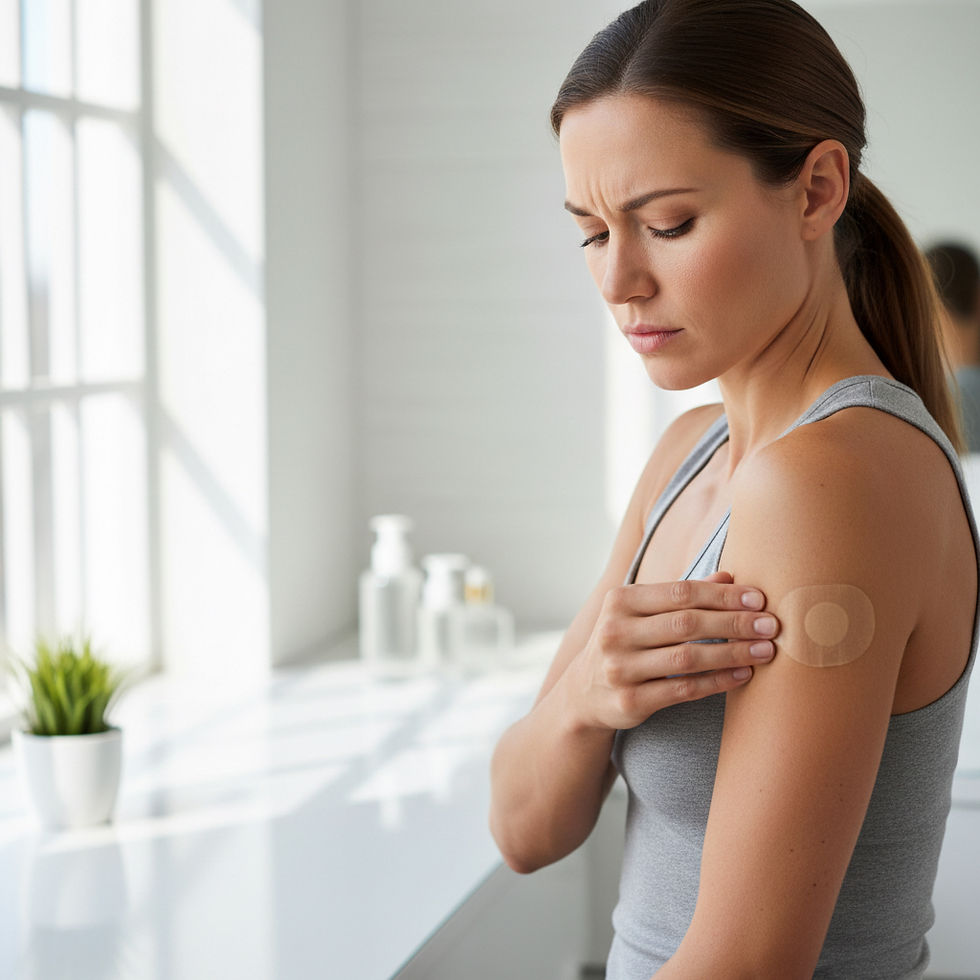
Recently I used a Continuous Glucose Monitor (CGM) to see how my nutrition, activity and lifestyle impacted my blood glucose i.e. blood sugar. Thankfully my blood glucose levels are stable, but I wanted to see for myself how certain foods impacted me. Foods containing sugar will cause your glucose to rise, but you can mitigate this by eating fiber rich foods like broccoli first. In this regard, it is best to start your meals with vegetables. CGMs have historically been used by diabetics but are now available to anyone who wants to check their blood glucose levels throughout the day.
Sleep quality is crucial and with the plethora of wearables now available we can track and gain insight to how well we are sleeping and recovering at night. Typically, these wearables will track the different phases of sleep (light, deep, REM “Rapid Eye Movement” and time awake) as well as Heart Rate Variability or HRV. Time spent in the different cycles, deep and REM being very important, can let you know how well you are really sleeping. Maybe sleep apnea is preventing you from sleeping deeply, or your dog is waking you up preventing you from getting a good night’s rest. HRV is a measurement that can let you know how well you are recovering. The variability is in reference to the time between beats. You may have 60 beats in a minute, but contrary to what you may be thinking, you do not want a beat every second. Rather, you would want there to be a difference, or variability, between beats. The more variability, the higher the score, the more rested you should feel.
Having a workout journal or app to track workouts can also make it easy to tell if you are making progress. You can look back and see how much weight you lifted previously, or how many repetitions with a weight you did in a past workout. Progress photos are another easy way to see if you are making progress with your physique. You may feel like nothing is changing, but if you have a photo from when you started a plan you may be able to tell that change is happening and that is very encouraging. It is a good idea to track the weight and repetitions of your movements and take progress photos every so often to know whether or not you are headed towards your goals.
There are many factors that one could choose to measure, and when trying to make change it can be very helpful. If you have any questions about topics in this article or about something else you are trying to change, please contact me.


Comments